Ancient Time Management: Timeless Secrets for Modern Success
Ancient Time Management: Timeless Secrets for Modern Success
Dec 03, 2024

In a world where 78% of adults report feeling overwhelmed by their schedules, ancient cultures had a profound secret: they lived in harmony with nature's rhythms. I discovered this truth the hard way, after years of pushing against my natural patterns left me exhausted and disconnected. I began to notice I would start the beginning of the year with energy and vigour but just a couple of weeks in, i would feel lethargic and want to sleep all the time. This would then lead to me to judging myself for not being more productive, forcing myself to do more and then being disappointed when I did not succeed. And so the cycle continued until it became exhausting and I just STOPPED! Like many of us, I had internalised the modern belief that productivity meant being "on" all the time, ready to work at any hour, in any season.
But here's what fascinated me, deep down I knew there was a different way to 'do', life, and this showed up when I look at different traditional cultures: they didn't see time as something to conquer. Instead, they viewed it as a dance partner, moving in natural cycles that could either support or hinder their efforts. The Ayurvedic traditions of India recognised that different times of day held different types of energy. In African spirituality, particularly among the Yoruba people, time is understood as cyclical rather than linear, with each moment containing elements of the past, present, and future – a concept known as 'concurrent time.' Traditional African societies based their activities not just on natural cycles, but on the understanding that time itself is a spiritual force, connecting communities with their ancestors and future generations. Indigenous American cultures similarly based their activities on seasonal shifts. These weren't just spiritual beliefs – they were practical systems for living in balance.
In this guide, we'll explore how to bring this timeless wisdom into your modern life. You'll discover practical ways to work with your body's natural cycles, understand the deeper patterns that govern energy and rest, and create a lifestyle that feels less like a constant push and more like a natural flow. Whether you're a busy professional, a parent juggling multiple responsibilities, or someone seeking a more meaningful relationship with time, these insights will help you create a more balanced, sustainable way of living.
TLDR: Access your free checklist here
Understanding Natural Rhythms in Human Life
Our bodies aren't machines – they're part of nature. This isn't just poetic thinking; it's backed by fascinating scientific research. Our bodies operate on multiple biological rhythms, with the circadian rhythm being the most well-known. This roughly 24-hour cycle influences everything from our hormone levels to our cognitive performance, body temperature, and even our emotional resilience.
What's particularly interesting is how these natural rhythms show up in four distinct cycles that ancient cultures recognized and honored. First, there's the daily cycle – what modern science calls our circadian rhythm. Traditional Chinese Medicine mapped this out with remarkable precision, noting how different organs and energy systems peaked at different times of day. African Dagara traditions take this understanding even deeper, recognising five elemental energies (Fire, Water, Earth, Mineral, and Nature) that cycle through both daily and lifetime rhythms. Each element brings its own wisdom and way of experiencing time. Then there's the lunar cycle, which many traditional cultures used for planning and decision-making. Seasonal cycles formed the third layer, governing everything from diet to work patterns. Finally, there are the longer cycles of life stages, which traditional cultures marked with ceremonies and shifts in responsibilities.
The cost of ignoring these rhythms in modern life is substantial. When we push against our natural patterns, our bodies respond with clear signals. You might notice this as afternoon energy crashes, sleep disruption, seasonal depression, or a general sense of being out of sync. I see this frequently in my work with clients – people fighting their natural rhythms often experience increased stress, reduced immunity, and a persistent feeling of swimming upstream.

Here are some common signs your life might be out of alignment with natural rhythms:
- Feeling energised at night but exhausted during work hours
- Experiencing seasonal mood changes that disrupt your productivity
- Finding it hard to wind down despite being physically tired
- Noticing that your creative or productive periods don't match your scheduled work time
- Feeling disconnected from natural cycles like daylight and seasons
What's remarkable is how quickly our bodies respond when we begin to honour these natural patterns.
1.Daily Rhythms: Your Natural Flow
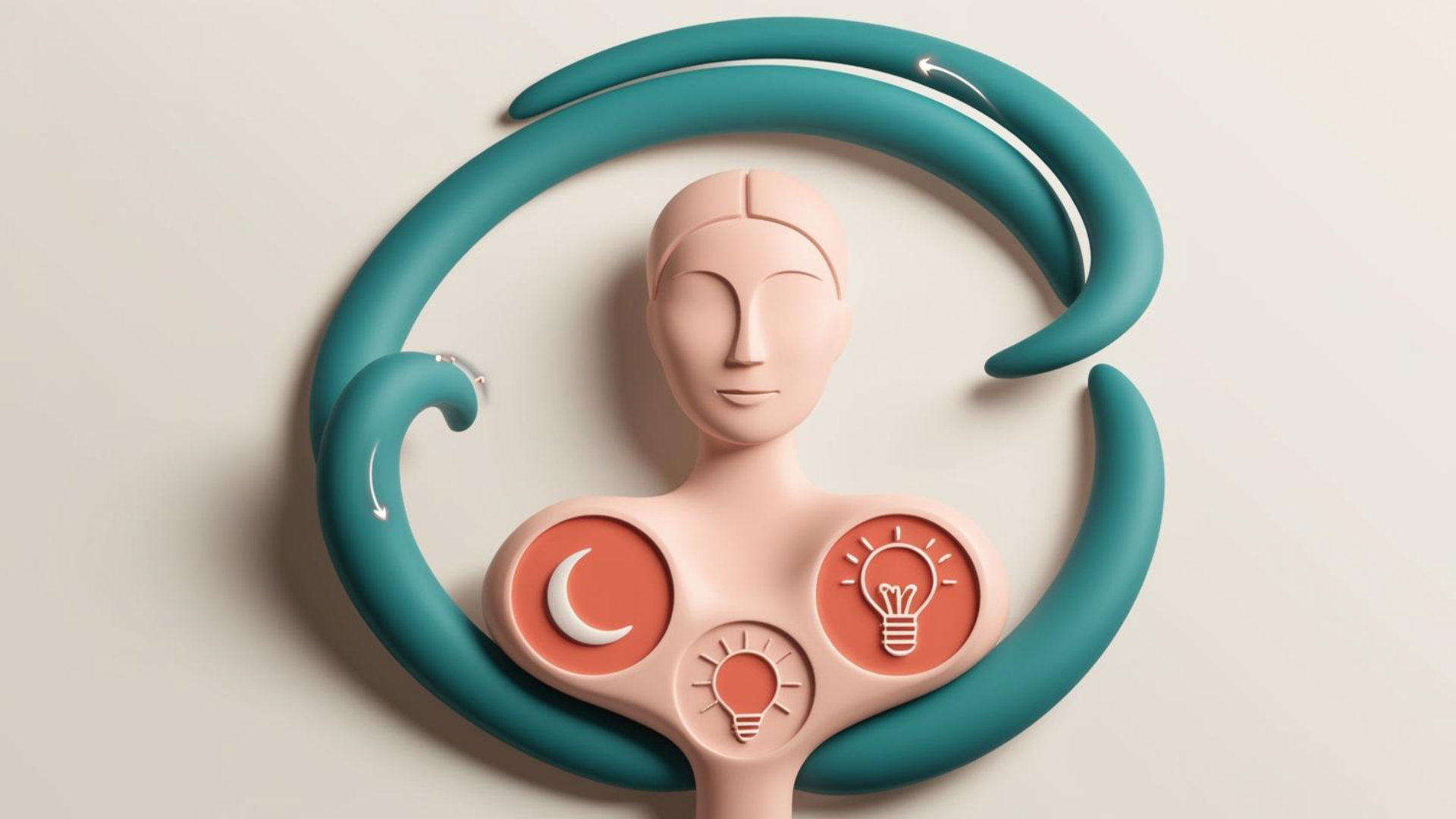
Understanding and working with daily rhythms has been one of the most transformative practices I've encountered in my work with time management. These aren't just arbitrary schedules – they're based on the natural ebb and flow of our biological processes throughout the day.
Let me share something that changed my perspective entirely: our cognitive abilities don't remain constant throughout the day. Research shows that most people experience their peak analytical abilities about 2-4 hours after waking. For me, this explained why my morning sessions were so much more productive than afternoon ones. There were times I would want to sleep at my desk in the middle of the afternoon and query if something was wrong with me. No! it was my body wanting to align with it's natural rhythm.
Your personal energy cycle is unique to you, but it generally follows a predictable pattern. Pay attention to when you naturally wake up, when you feel most creative, when you're best at analytical tasks, and when you need rest. This information becomes your blueprint for designing an aligned daily schedule.
Here's a framework for creating rituals that honor these natural transitions:
Morning Activation (Dawn):
- Begin with gentle movement to wake the body
- Expose yourself to natural light to regulate circadian rhythm
- Set intentions for the day aligned with your energy patterns
Mid-Day Reset (Solar Noon):
- Take a true break from work
- If possible, get outside for natural light exposure
- Light exercise or stretching to maintain energy
Evening Withdrawal (Dusk):
- Begin reducing artificial light exposure
- Engage in calming activities
- Review the day and prepare for tomorrow
Rest and recovery practices are just as important as active periods. Traditional wisdom understood this deeply – many cultures had specific practices for different types of rest throughout the day. Short breaks every 90-120 minutes align with our natural ultradian rhythm (the body's basic rest-activity cycle). During these breaks, try:
- Brief meditation or breathing exercises
- A short walk, preferably in nature
- Simple stretching or movement
- Closing your eyes and practicing complete rest for 5-10 minutes
TLDR: Access your free checklist here
2. Seasonal Wisdom: Living in Harmony with Nature

When I first began writing this blog, I was skeptical. I queried how could ancient seasonal practices possibly apply to our climate-controlled, 24/7 world? But as I delved deeper, I discovered something remarkable: our bodies still respond to seasonal changes, whether we acknowledge them or not.
Each season carries its own distinct energy. Traditional cultures understood this intimately, adjusting their work patterns, diet, and social activities to align with nature's rhythm. What's fascinating is how this wisdom aligns with modern research on seasonal effects on human biology and behaviour.
Spring brings an energy of renewal and growth. Traditionally, this was a time for planning and initiating new projects. I've found this natural momentum particularly powerful for launching new initiatives or learning new skills. Your body naturally has more energy during this season – use it wisely rather than fighting it.
Summer's abundant energy supports increased activity and expansion. However, traditional cultures also recognised the importance of rest during peak heat. They would often start work earlier, take afternoon breaks, and utilise the extended daylight for social connection rather than constant productivity. When backpacking in Europe my fiend and I experienced the ease of a siesta when in Spain. All the shops close for 2-4 hours in the middle of the day. After the inital frustration of wanting to impose my schedule on tradition I accepted and enjoyed the time when there was nothing to do but to be at ease.
Autumn is nature's time for harvest and preparation. What I have learned over time is this is a period to complete projects rather than starting new ones. It's also an excellent time for organising and creating systems that will support you through winter.
Winter calls us to turn inward. Many traditional cultures used this time for storytelling, planning, and deeper contemplative practices. Instead of fighting winter's natural tendency toward rest and reflection, try working with it.
3. Moon Cycles: Ancient Timing for Modern Life
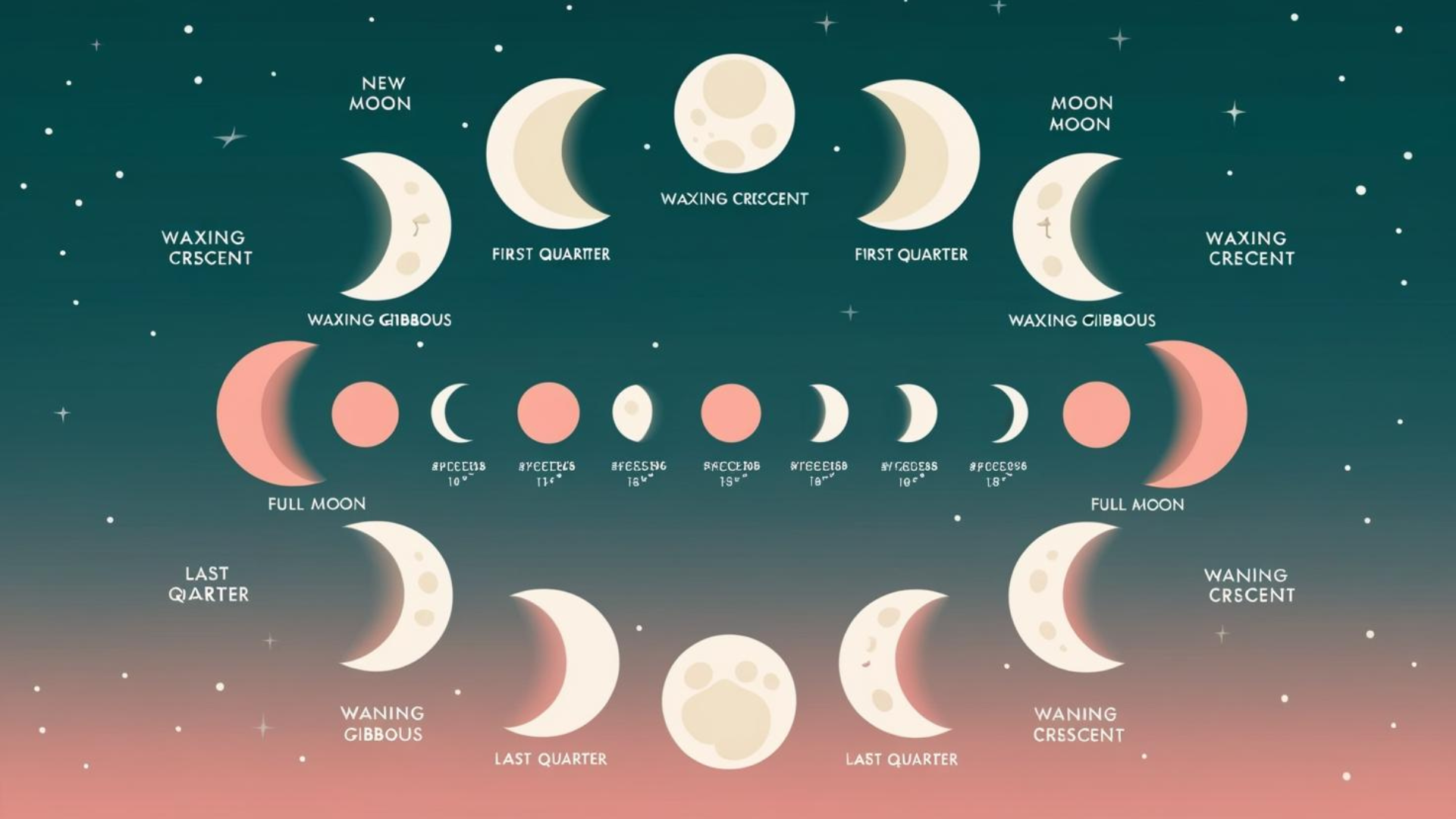
The moon's influence on Earth's natural rhythms extends far beyond the tides. In African spiritual traditions, particularly among the Dogon people of Mali, the moon cycles are seen as sacred rhythms that connect human consciousness with universal wisdom.
In writing this blog, I discovered many cultures used lunar cycles as a natural framework for organising activities and making decisions. What's particularly interesting is how this ancient practice can bring a natural rhythm to modern project planning and personal development.
New Moon: Traditionally a time for setting intentions and beginning new projects. The darkness of this phase naturally supports introspection and planning. I've found this to be an excellent time for strategic planning and initiating new habits.
Waxing Moon: As the moon grows fuller, energy builds. This phase traditionally supported active growth and development. It's ideal for taking action on plans, building momentum, and pushing projects forward.
Full Moon: A time of culmination and maximum energy. Traditional cultures often used this time for celebrations and harvesting. In modern life, it's excellent for completing projects, making important decisions, or holding key meetings.
Waning Moon: As the moon's light decreases, energy naturally turns inward. This phase traditionally supported evaluation, completion, and letting go. It's perfect for reviewing progress, refining systems, and releasing what's not working.
Access your free checklist here
4. Creating Your Modern Wisdom-Based Lifestyle
In many African traditions, the concept of "Ubuntu" – meaning "I am because we are" – reminds us that our personal rhythms exist within a larger community and universal flow. This wisdom teaches us that true balance comes not just from aligning with natural cycles, but from understanding our interconnectedness with all life.
Transitioning to a rhythm-based lifestyle in our modern world requires both patience and practical strategies.
Start with Assessment:
- Track your natural energy patterns
- Note current alignments and misalignments
- Identify areas of greatest strain
- Document your ideal rhythm
Create Supporting Structures:
- Design flexible routines that honour your rhythms
- Set up environmental cues for transitions
- Establish boundaries that protect your natural flow
- Build in regular review and adjustment periods
Address Modern Constraints:
- Negotiate flexible work hours where possible
- Create transition buffers between activities
- Use technology to support rather than disrupt natural rhythms
- Build support systems that honor your needs
Conclusion
Living in rhythm with natural cycles isn't about perfect adherence to traditional practices – it's about finding a sustainable way to honor these patterns in modern life. Start by observing your own natural rhythms and making small adjustments that feel authentic to you.
Remember that this is a journey of discovery and adaptation. Your rhythms may differ from others, and they'll likely change as you move through different life stages. The key is maintaining awareness and flexibility while gradually building habits that support your natural flow.
As you implement these practices, pay attention to how your energy, productivity, and overall well-being shift. Share your experiences with others on similar paths, and remember that even small changes in alignment with natural rhythms can create significant improvements in your quality of life.
I invite you to begin this journey of living in a natural rhythm. Start with one practice that resonates with you, observe its effects, and gradually build from there. Your body and mind already know these rhythms – our task is simply to listen and align with them once again.
If you enjoyed this article and would like a checklist to assist you with your integration, click here for a checklist download. The cost? Your email address.
References and Further Reading
Traditional African Spiritual Concepts:
* Mbiti, J. S. (1990). African Religions & Philosophy. Heinemann.
* Some, M. P. (1999). The Healing Wisdom of Africa: Finding Life Purpose Through Nature, Ritual, and Community. Penguin.
* Diop, C. A. (1974). The African Origin of Civilisation: Myth or Reality. Lawrence Hill & Co.
Circadian Rhythms and Modern Science:
* Walker, M. (2017). Why We Sleep: Unlocking the Power of Sleep and Dreams. Simon & Schuster.
* Huberman, A. B. et al. (2022). "Circadian Rhythms and Neural Function." Annual Review of Neuroscience.
Traditional Time Management Systems:
* Sorokin, P. A. (1943). Sociocultural Causality, Space, Time. Duke University Press.
* Hall, E. T. (1983). The Dance of Life: The Other Dimension of Time. Anchor Press.
Seasonal Living and Natural Cycles:
* Steiner, R. (1998). The Cycle of the Year as Breathing Process of the Earth. Anthroposophic Press.
* Wohlleben, P. (2016). The Hidden Life of Trees. Greystone Books.
Traditional Wisdom and Modern Application:
* Senge, P. et al. (2004). Presence: Human Purpose and the Field of the Future. Society for Organizational Learning.
* Wheatley, M. J. (2006). Leadership and the New Science: Discovering Order in a Chaotic World. Berrett-Koehler.
Note: These references should be independently verified and updated with the latest editions and research. Additionally, when discussing traditional African spiritual practices and wisdom, it's important to acknowledge that these concepts often come from oral traditions and living practitioners, and written sources may not capture their full depth and nuance.
Digital Resources:
* Centers for Disease Control and Prevention. (2024). Sleep and Sleep Disorders [www.cdc.gov/sleep]
* National Institute of General Medical Sciences. (2024). Circadian Rhythms [www.nigms.nih.gov]
For specific statistics cited in this article:
* The 78% statistic about adults feeling overwhelmed by schedules comes from the American Psychological Association's 2023 Work and Well-being Survey
* Research on cognitive peak times is based on studies from the Proceedings of the National Academy of Sciences
Special acknowledgment: The traditional African spiritual concepts discussed in this article come from various ethnic groups and traditions. Readers are encouraged to seek out practitioners and scholars from these traditions for deeper understanding and proper cultural context.